The list of services that a council may be required to provide can be almost endless ...
The United Nations reported some years ago that according to its estimates and at a worldwide level, in July 2007, the urban population had surpassed the rural population. In addition, this trend is expected to continue in the next years, therefore in 2050 almost 70% of the world population will live in cities, and the number of cities with more than 10 million inhabitants will also increase worldwide..
The list of services that cities must provide to its citizenship is long. In Spain, and according to the Law Governing the Bases of Local Regime (BOE-A-1985-5392), we can see that municipalities' competences include among others the following ones:
Public street lighting, cemetery, waste collection, street cleaning, drinking water supply, sewerage, access to population centers and paving of public roads.
In addition to the services to be provided in all cases: public park, public library and waste treatment.
In addition to the previous ones: civil protection, situations of social need and immediate attention to people in situation or risk of social exclusion, prevention and extinction of fires and public sports facilities.
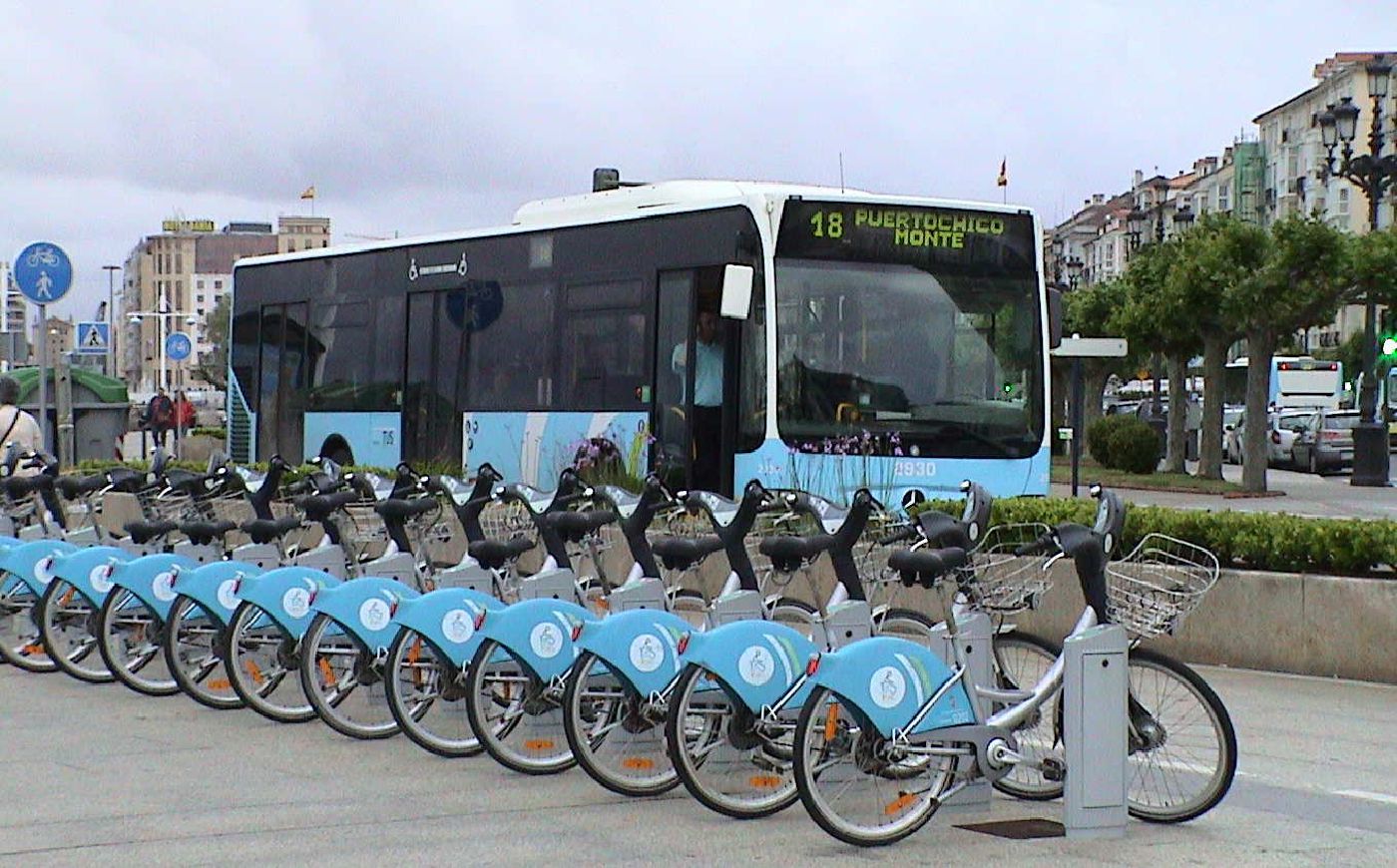
In addition to those mentioned in populations with more than 20,000 inhabitants: collective urban passenger transport, and urban environment.
Apart from these mandatory services, municipalities often have to deal with the provision of additional services, which makes their management complex and expensive. It is estimated that, in the set of Spanish municipalities, about 30% of the expenditure is dedicated to financing non-compulsory competences (also called 'improper services'). The competences of security, civil protection, social protection and culture are the ones that more resources get in this line.
While recognizing municipal competencies in the various areas, the text of the mentioned Law emphasizes on many occasions on the need of evaluating the appropriateness of the implementation of local services in accordance with the basic principles of decentralization, efficiency, stability and financial sustainability. The new technologies available, and in particular those derived from the Internet of Things (IoT), offer today excellent mechanisms to guarantee these principles.
share ?